
What Does a Cello Do in a Chamber Ensemble?
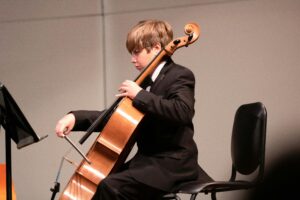 The cello holds a unique place in music: capable of deep, resonant bass lines and beautiful, singing melodies. This versatility makes it one of the most important instruments in a chamber ensemble. While many young cellists begin with solo practice, chamber music is where they truly discover the full potential of their instrument, learning how their sound supports, connects, and elevates an entire group. So what does exactly a cello do in a chamber ensemble?
Foundation and Harmony
- Provides the bass line and harmonic structure
- Anchors the group’s rhythm and timing
- Supports intonation and balance across the ensemble
Melody and Expression
- Frequently carries lyrical, singing melodies
- Bridges the gap between low and high voices
- Adds warmth and emotional depth
Musical Connector
- Links rhythm and harmony with melodic lines
- Helps unify the ensemble’s sound
The cello isn’t just accompaniment, but a leader from within, shaping the ensemble in subtle but essential ways. In chamber music, the cello plays a uniquely powerful and versatile role, which is often described as the heart of the ensemble.
CHAMBER MUSIC PROGRAM – Summer / Fall / Spring – INFO
SUBMIT YOUR AUDITION TODAY
Why Chamber Music Is Essential for Cellists
- Develops Strong Ensemble Awareness – cellists learn how to lock rhythm with precision, balance their sound within the group and support and respond to other instruments.
- Deepens Musical Expression – because the cello often carries both harmony and melody, students develop a broader musical perspective, shaping phrases with intention and sensitivity.
- Builds Confidence and Responsibility – in chamber music, there’s no conductor, and each cellist plays a critical role. This builds independence, leadership, and trust.
- Creates a Collaborative Experience – chamber music turns playing into a shared journey, where communication and teamwork make music more engaging and meaningful.
Interesting Fact
Composers like Ludwig van Beethoven and Johannes Brahms wrote chamber works where the cello plays a central role: not just as accompaniment, but as a powerful, expressive voice equal to any instrument in the ensemble.
Join the Chamber Music Program at AYCO
Chamber music helps young cellists discover that their instrument is not just part of the music. It’s the foundation that brings everything together.
The Chamber Music Program at the American Youth Chamber Orchestra gives cellists the opportunity to:
- Play in small ensembles with peers
- Explore both supportive and melodic roles
- Receive expert coaching
- Perform in recitals and community events
- Grow into confident, well-rounded musicians