
How to Get Into a Youth Orchestra: A Step-by-Step Guide
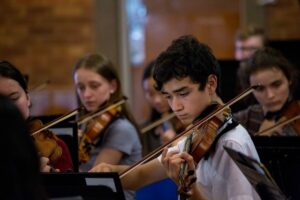 Playing an instrument is an exciting journey, but what happens when a young musician is ready to take the next step?
Joining a youth orchestra can be an excellent opportunity for students to develop their musical skills, perform with other musicians, and gain confidence on stage. However, many students and parents are unsure where to start, what auditions involve, or how much experience is needed.
The good news is that joining a youth orchestra doesn’t have to feel overwhelming. With the right preparation and guidance, students can take meaningful steps toward becoming part of a musical ensemble.
Here is a step-by-step guide to help students and parents understand the process.
Step 1: Find the Right Youth Orchestra
Not every orchestra is the same. Some ensembles welcome beginners, while others require intermediate or advanced musical skills.
Before applying, research local youth orchestras and review their requirements.
Look for information about:
- Age requirements: Does the orchestra accept your child’s age group?
- Skill level: Is the program designed for beginners, intermediate students, or advanced musicians?
- Instrument requirements: Which instruments are accepted?
- Rehearsal schedule: Can your family accommodate regular rehearsals and performances?
- Location: Is the rehearsal space accessible for your family?
Choosing an orchestra that matches your child’s current abilities can help make the experience enjoyable and rewarding.
Step 2: Understand the Audition Requirements
Many youth orchestras use auditions to determine placement and ensure that musicians are assigned to an appropriate ensemble.
Although requirements vary, students may be asked to prepare a short solo, demonstrate technical skills, or perform selected excerpts.
Before the audition, make sure you understand:
- Whether the audition takes place in person or by video.
- Which musical pieces or excerpts must be performed.
- Whether scales or other technical exercises are required.
- The application deadline and audition fee, if applicable.
- Any video recording or submission instructions.
Parent tip: Write down the requirements and deadlines in one place. Having a clear plan can help reduce stress as the audition approaches.
Step 3: Choose Music That Shows Your Abilities
One of the most important parts of a youth orchestra audition is selecting and preparing the required music.
Students should follow the orchestra’s instructions carefully. If a specific piece is required, focus on preparing that selection rather than choosing a different work.
During practice, pay attention to:
- Accuracy: Play the correct notes and rhythms.
- Technique: Practice challenging passages slowly before increasing the tempo.
- Musical expression: Pay attention to phrasing, dynamics, and tone.
- Consistency: Aim to perform the piece well from beginning to end.
- Confidence: Practice performing for someone else before audition day.
Remember, musical growth takes time. Students do not need to sound perfect at every practice session. Consistent preparation and a willingness to learn are important parts of becoming a stronger musician.
Step 4: Create an Effective Practice Plan
Preparing for a youth orchestra audition is easier when practice becomes part of a regular routine.
Instead of waiting until the last few days, students can break their preparation into manageable goals.
For example, a weekly practice plan might include:
| Practice Focus | Goal |
|---|---|
| Technique | Improve difficult passages and note accuracy |
| Rhythm | Practice with a metronome when appropriate |
| Musicality | Refine phrasing, dynamics, and expression |
| Full performance | Play the complete audition selection without stopping |
| Mock audition | Perform for a teacher, family member, or friend |
Students should work with their private music teacher when possible. A teacher can identify areas for improvement, recommend effective practice strategies, and help students prepare for the specific audition requirements.
The key is consistency, not cramming. Short, focused practice sessions can be more productive than trying to master everything at once.
Step 5: Prepare for Audition Day
Auditions can feel intimidating, especially for students who have never performed in front of unfamiliar people.
A little preparation can make the experience less stressful.
Before the audition, students should:
- Practice their music from beginning to end.
- Confirm the audition time, location, and format.
- Check that their instrument and necessary accessories are ready.
- Bring any requested sheet music or documents.
- Get enough rest and allow time to arrive without rushing.
For video auditions, follow the recording instructions carefully. Check the camera angle, sound quality, lighting, and file format before submitting the performance.
Most importantly, remind your child that an audition is an opportunity to demonstrate their current abilities and learn from the experience.
Step 6: Learn What It Means to Play in an Orchestra
Joining a youth orchestra involves more than learning individual pieces. Students must also learn how to work as part of a musical team.
Orchestra participation helps young musicians develop skills such as:
Listening and collaboration: Students learn to listen to other sections, follow the conductor, and balance their sound with the ensemble.
Musical discipline: Regular rehearsals encourage preparation, punctuality, and responsibility.
Confidence: Performing alongside other musicians can help students become more comfortable playing in front of an audience.
Adaptability: Students learn to adjust their tempo, dynamics, and interpretation to support the group.
These experiences can help musicians grow both on and off the stage.
Step 7: Understand What Happens After the Audition
After the audition, the orchestra may communicate acceptance decisions, ensemble placement, rehearsal schedules, and next steps.
If your child is accepted, review the program expectations together. Ask about attendance policies, concert dates, tuition, required materials, and any additional commitments.
If your child is not accepted, remember that this does not mean they cannot become an orchestra musician.
Use the experience to identify areas for improvement. Ask whether feedback is available, discuss next steps with your child’s music teacher, and create a plan for future auditions.
Every audition can provide useful experience, even when the outcome is not what a student hoped for.
Why Should Students Join a Youth Orchestra?
For young musicians who want to take their musical journey further, a youth orchestra offers opportunities that individual lessons alone may not provide.
Students can experience the excitement of creating music together, learn from other musicians, and work toward shared performance goals.
A youth orchestra can also help students explore their interest in chamber music and orchestral performance while building friendships with peers who share their passion for music.
Whether a student hopes to pursue music professionally or simply wants to become a more confident musician, ensemble participation can be a valuable part of their education.
Explore Opportunities with the American Youth Chamber Orchestra
American Youth Chamber Orchestra (AYCO) provides young musicians with opportunities to develop their musical abilities and experience collaborative performance. For students who have approximately two years of playing experience and are ready to explore chamber music, finding the right ensemble can be an important next step.
AYCO offers opportunities for young musicians to learn, collaborate, and grow through music. Students and parents interested in participating can explore program details and learn about upcoming audition opportunities.
Is Your Young Musician Ready for the Next Step?
Taking the first step toward a youth orchestra can open the door to new musical experiences, lasting friendships, and personal growth. Start exploring opportunities, review audition requirements, and help your child prepare for an exciting musical journey. Whether you’re aiming for a top conservatory, a university music program, or simply looking to elevate your skills, AYCO provides the perfect environment to grow as a musician and prepare for college auditions with confidence.
 AYCO AUDITIONS are OPEN – secure your spot and take your chamber music skills to the next level!